


The early years of a child’s life are a critical period for development. It’s a time when brains are multiplying, and foundations for future learning, behaviour, and health are being laid. Early childhood intervention strategies are designed to harness this period of rapid growth, providing support to children who might need extra help to reach their full potential. This guide will explain early childhood intervention, how it works, and its lasting benefits.
What are early childhood intervention strategies?
Early childhood intervention encompasses a variety of services and supports designed to help young children experiencing developmental delays or disabilities. These strategies are tailored to address each child’s unique needs and promote optimal development.
Key components of early childhood intervention include:
- Therapy: This involves specialised support from professionals such as speech, occupational, or physical therapists to address a child’s specific challenges.
- Education: Early learning programs allow children to develop language, social interaction, and problem-solving skills in a supportive environment.
- Family support: Early intervention provides guidance, education, and resources to help parents and caregivers understand their child’s needs and create stimulating home environments.
- Assistive technology: Tools and equipment can be incorporated to enhance a child’s independence, communication, and participation in daily activities.
By combining these elements, early childhood intervention aims to empower children to reach their full potential and build a strong foundation for future success.
How can parents and caregivers implement these strategies?
Parents and caregivers are a child’s first and most influential teachers. You can significantly support your child’s development by incorporating early intervention strategies into daily life. Here are some practical tips:
- Create a stimulating environment: Transform your home into a learning playground by providing a variety of toys, books, and sensory experiences. This encourages exploration and curiosity.
- Nurture language development: Talk, sing, and read to your child frequently. Engaging in conversations, singing songs, and sharing stories helps build vocabulary, listening skills, and a love of language.
- Unleash the power of play: Playtime is more than just fun; it’s a child’s work. Encourage imaginative, physical, and social play to foster cognitive, motor, and emotional growth.
- Establish routines: Predictable routines create a sense of security and help children understand what to expect. Incorporate consistent meal times, bedtime rituals, and daily activities.
- Build a support network: Connect with other parents, join support groups, or seek professional guidance. Sharing experiences and learning from others can provide valuable support and encouragement.

Remember, every child is unique. Celebrate their strengths and be patient with their challenges. By actively participating in your child’s development, you’re laying a solid foundation for their future success.
What are the long-term benefits of early childhood intervention?
The impact of early childhood intervention extends far beyond a child’s early years. Investing in early childhood intervention programs can yield substantial long-term benefits for individuals, families, and communities.
Children who receive early intervention are more likely to:
- Excel academically: A strong foundation in early learning translates to improved school readiness and higher academic achievement throughout their education.
- Build solid social connections: Early intervention fosters essential social skills, leading to healthier relationships, increased empathy, and better peer collaboration.
- Develop independence: With appropriate support, children can learn self-care skills, problem-solving strategies, and decision-making abilities, promoting greater autonomy in adulthood.
- Enhance emotional well-being: Early intervention helps children develop resilience, self-regulation, and positive coping mechanisms, reducing the risk of mental health challenges later in life.
- Achieve more excellent economic stability: Research suggests that individuals participating in early intervention programs are more likely to secure employment, earn higher incomes, and contribute positively to the economy.
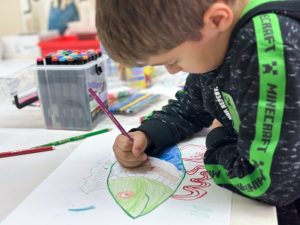
By providing children with the tools they need to succeed, the importance of early childhood intervention in shaping positive outcomes for individuals, families, and society cannot be overstated.
How does the NDIS support early childhood intervention strategies?
The National Disability Insurance Scheme (NDIS) is a government-funded program to support Australians with disabilities and their families. It can be a valuable resource for young children seeking early childhood intervention services.
NDIS support can cover a wide range of services tailored to a child’s specific needs, including:
- Therapy: Speech, occupational, and physical therapy to address developmental challenges.
- Early learning programs: Specialised programs to help children develop essential skills.
- Assistive technology: Tools and equipment to enhance independence and participation.
- Support coordination: A dedicated person who guides families through the NDIS process.
- Family support: Assistance for parents and caregivers to understand their child’s needs and provide appropriate care.
Families need to undergo an assessment to determine eligibility for NDIS support. This helps identify a child’s specific support requirements and develop an NDIS plan outlining available services and funding.
How can professionals monitor progress in early childhood interventions?
Tracking a child’s progress is crucial for the success of early childhood interventions. By regularly assessing a child’s development, professionals can determine the effectiveness of current strategies and make necessary adjustments.
Progress monitoring involves several key components:
- Regular assessments: Standardized tests and developmental screenings help measure a child’s skills and abilities over time.
- Developmental checklists: These tools track specific milestones and provide a snapshot of a child’s progress.
- Parent or caregiver feedback: Insights from those who know the child best offer valuable information about their development.
- Collaboration with other professionals: Working with therapists, educators, and healthcare providers provides a comprehensive view of a child’s needs.
By carefully analysing this information, professionals can identify strengths, challenges, and areas for improvement. This ongoing monitoring ensures that children receive the appropriate support to reach their full potential.
Early childhood intervention is a powerful tool for helping young children reach their full potential. By working together, parents, caregivers, and professionals can make a significant difference in a child’s life.
Ready to support your child’s growth?
If you’re looking for expert early childhood intervention support in Sydney, Australia, we can help. Our dedicated team provides a range of services tailored to the unique needs of each child. Contact Australian Disability Services today to learn more about how we can support your family.

